
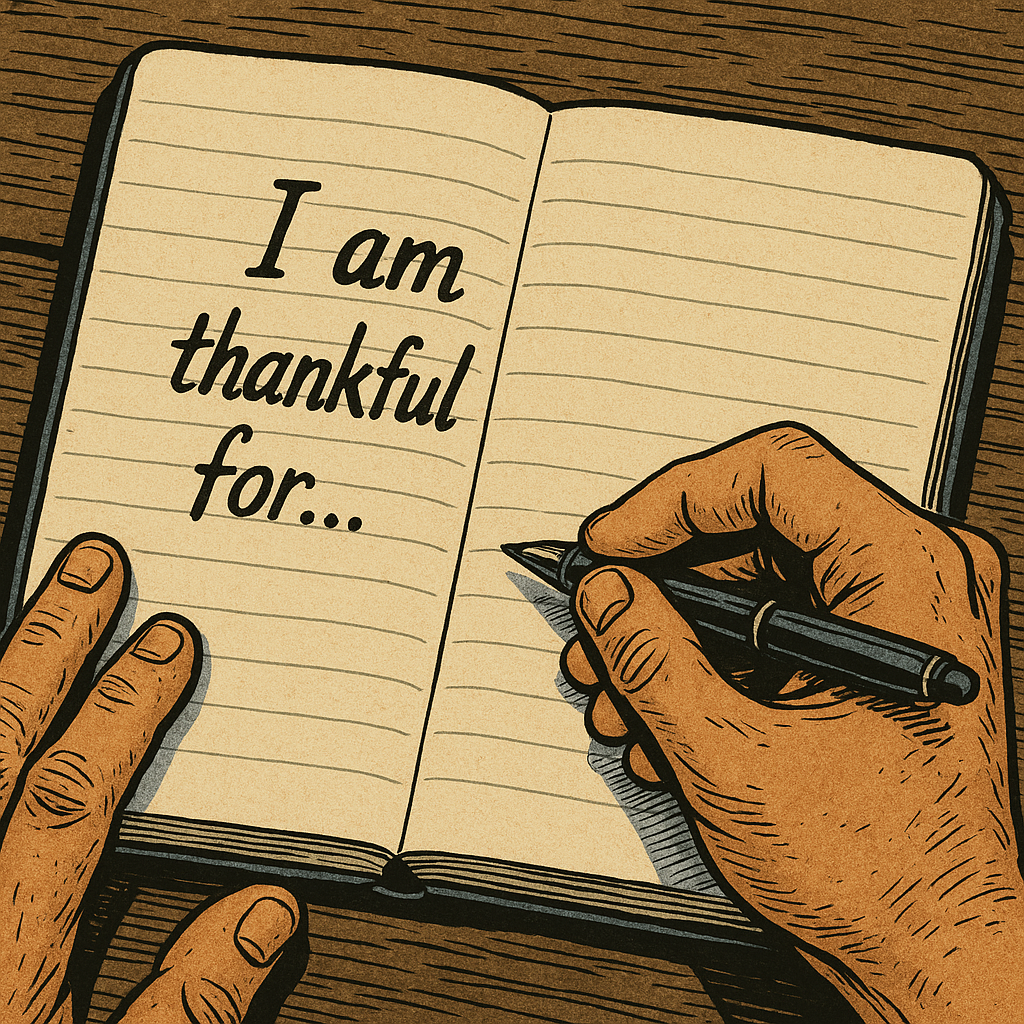
When life feels like it’s closing in, the last thing you might think to do is express gratitude, but that’s exactly when it’s most powerful. Gratitude is not just a feel-good emotion; it’s a stabilizing tool that can ground you when stress and adversity hit. Like any tool, it works best when it’s practiced. This post presents a simple, tactical approach to training a gratitude mindset so you can call on it when it matters most.
The Nature of Gratitude
Gratitude is more than good manners. It’s also a state of mind and a neurochemical event. When you feel genuinely thankful, your brain releases a mix of dopamine and serotonin, the same chemicals responsible for pleasure and well-being. This shift creates a calming effect on the nervous system, reducing stress responses and improving emotional regulation.
From a tactical perspective, gratitude is a psychological stabilizer. It helps counterbalance the natural tendency of the brain to focus on threats and problems—what’s known as the negativity bias. Training your mind to identify what’s going well, even in chaos, is an act of cognitive resilience.
Training Gratitude
Gratitude journaling is a quick and effective way to start. Here’s how:
- Before bed each night, write down five things you’re grateful for. Be specific—“a hot shower after a long day” is more powerful than “comfort.”
- When stress rises, pause and mentally name a few things you’re thankful for. This doesn’t fix the problem, but it resets your emotional posture and creates space to respond rather than react.
- Refine your focus: Over time, try identifying moments of gratitude during the day in real time, not just in hindsight. This sharpens situational awareness of the good amid the grind.
You’re not journaling for the sake of a notebook—you’re training your brain to look for stability and strength under pressure.
The Benefits of Gratitude
The science and lived experience both back this up. Regular gratitude practice has been shown to:
- Lower cortisol levels and reduce symptoms of anxiety and depression
- Improve sleep quality and emotional regulation
- Enhance resilience in high-stress environments
- Increase your sense of connection and meaning
In the tactical wellness model, these aren’t soft skills. They are force multipliers.
So What?
Gratitude isn’t a luxury. It’s a low-cost, high-impact habit that increases mental endurance and emotional control. Start tonight. Write down five things you’re grateful for. Keep doing it for a week, then test it under stress. With enough reps, gratitude becomes more than a feeling, it becomes a powerful tool for overcoming challenges.
Thanks for Reading
If you’re looking for practical tools to build resilience, mental clarity, and physical well-being, you’re in the right place. Tactics Total Wellness is based in Charleston, South Carolina, and I write weekly about mindset, performance, and integrated living for veterans, first responders, and high performers across the Lowcountry.
👉 You can explore more insights at www.tacticstotalwellness.com/blog
📬 Want tips like this delivered straight to your inbox every Sunday?
Sign up for the newsletter here: www.tacticstotalwellness.com/news-letter
💬 You can also learn more about my work as a counselor and how I help clients build strength, clarity, and direction here: https://tacticstotalwellness.com/about/
If you found this article helpful, please consider sharing it with a friend, co-worker, or family member.
Thank you for the support!
