emotional regulation

A bald bearded man studies three glowing transparent panels, each representing a different type of problem — mechanical blueprints for complicated systems, neural networks for complex systems, and swirling chaos for wicked problems.

Understanding Complicated, Complex, and Wicked Problems

Why Some Challenges Can’t Be Solved with a Checklist In life, work, and relationships, not all problems are created equal. Some can be solved with enough time, effort, and organization. Others shift under our feet the moment we think we’ve found an answer. Recognizing the difference between complicated, complex, and wicked problems helps us respond […]

Understanding Complicated, Complex, and Wicked Problems Read More »

Man sitting at a desk surrounded by multiple monitors and digital feeds, symbolizing information overload and the need for cognitive defense against online manipulation.

Cognitive Defense

Using CBT and DBT to Guard Against Influence and Manipulation What Is Cognitive Warfare? Cognitive warfare refers to deliberate efforts by state and non-state actors to influence the way people think, perceive reality, and make decisions. Unlike traditional warfare, which focuses on physical force, cognitive warfare targets the mind itself. It operates through propaganda, disinformation

Cognitive Defense Read More »

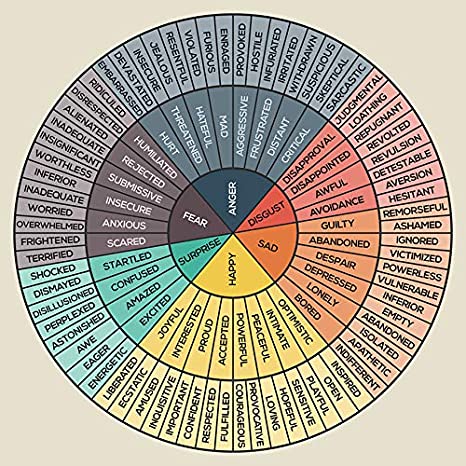
A labeled emotion wheel chart showing six core emotions—fear, anger, disgust, sadness, happiness, and surprise—radiating into complex secondary and tertiary emotions

Basic Training: Core Emotions

Emotions are not the enemy. Misunderstood emotions are.To operate at full capacity — whether in a high-stakes profession, family role, or personal transformation — you need more than physical readiness. You need emotional intelligence. And that starts with knowing what you’re feeling, why it’s there, and how to respond without suppressing or exploding. This post

Basic Training: Core Emotions Read More »

Tactical Tools: The ABCD Method

Navigating life’s challenges can feel overwhelming, but using structured methods can greatly simplify your emotional and behavioral responses. One highly effective tool rooted in Cognitive Behavioral Therapy (CBT) and Dialectical Behavioral Therapy (DBT) is the ABCD Method. Understanding the ABCD Method The ABCD Method helps you systematically reflect on your reactions to life’s events, empowering

Tactical Tools: The ABCD Method Read More »

Scroll to Top