
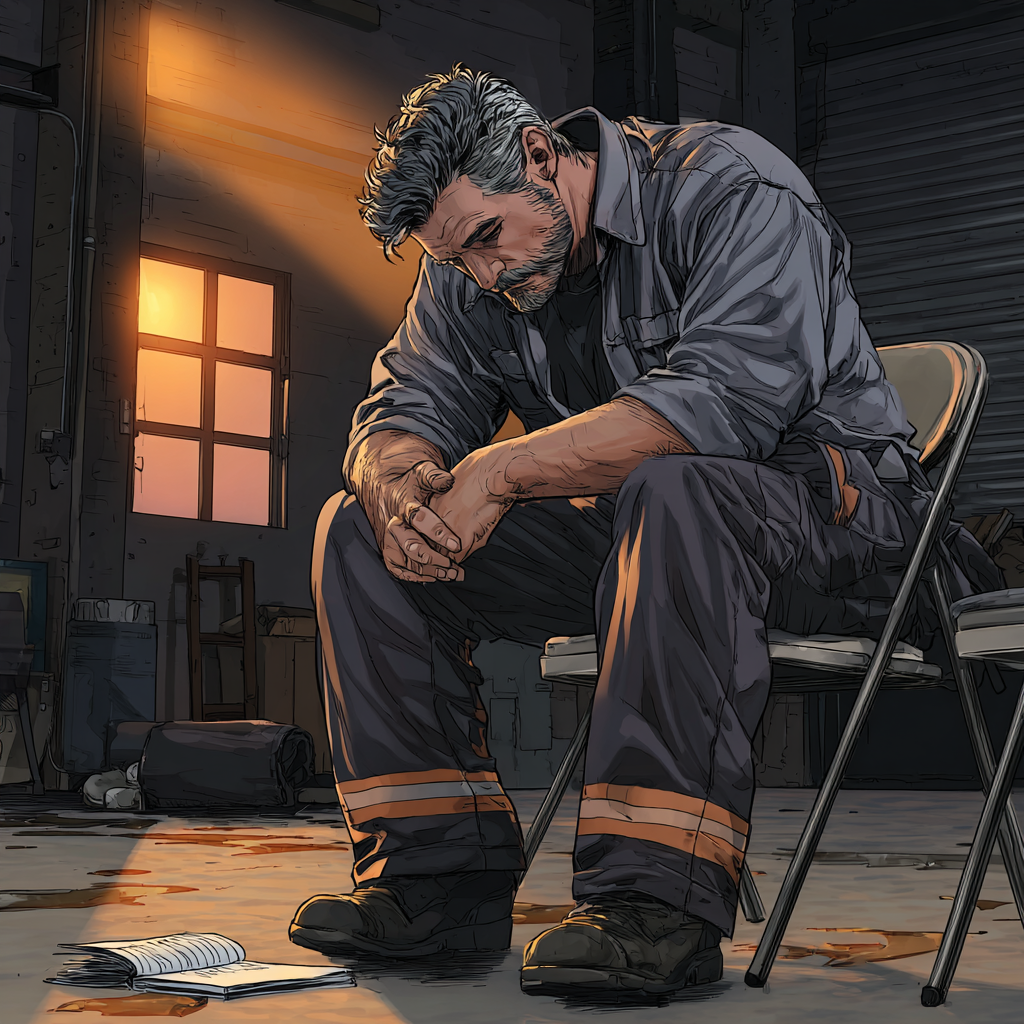
Most people want change—but few are ready for how change actually happens.
Change isn’t a switch you flip. It’s a process. Messy, non-linear, frustrating at times—but deeply human. Whether you’re trying to build better habits, recover from burnout, transition out of the military, or show up differently in your relationships—understanding the Stages of Change can help you stop beating yourself up and start making real progress.
Let’s break it down.
What Are the Stages of Change?
The Stages of Change model (also called the Transtheoretical Model) outlines six phases people typically move through when changing a behavior:
- Precontemplation: “This isn’t a problem.”
- Contemplation: “Maybe this is a problem.”
- Preparation: “I need to make a plan.”
- Action: “I’m doing something about it.”
- Maintenance: “I’m sticking with it.”
- Relapse or Recycling: “I messed up… but I’m not starting over.”
Each stage comes with its own mindset, challenges, and tactics. Knowing where you are helps you apply the right tools at the right time.
Stage 1: Precontemplation
You don’t think you have a problem—or you’re not ready to talk about it.
You might be here if:
- You’ve been told to “get help” but don’t see the need.
- You feel resistant, defensive, or checked out.
- You think, “This is just who I am.”
Tactic: Gentle awareness. Don’t force action. Focus on building trust, asking questions, or planting seeds of curiosity. Philosophies like Stoicism and mindfulness practices can help you observe without judgment.
Stage 2: Contemplation
You’re aware something needs to change—but you’re ambivalent.
You might be here if:
- You know something’s off, but don’t know where to start.
- You swing between motivation and avoidance.
- You say, “I should probably do something about this.”
Tactic: Clarify your “why.” Try journaling, talking with a therapist, or using a cost-benefit analysis to weigh options. Motivation grows when purpose becomes clear.
Stage 3: Preparation
You’ve made a decision. Now you need a plan.
You might be here if:
- You’re researching options.
- You’re telling trusted people about your intentions.
- You’re thinking, “I’m ready—but I don’t want to fail.”
Tactic: Small wins. Use a personal SWOT analysis and SMART goals. Build structure into your environment (reminders, support systems, scheduled time blocks). This is a great time to start a coaching or counseling relationship.
Stage 4: Action
You’re doing the thing.
You might be here if:
- You’ve started therapy, quit drinking, changed your morning routine, etc.
- You’re seeing progress—but it still feels fragile.
- You think, “Why didn’t I do this sooner?”
Tactic: Reinforce. Reward progress. Stay connected to your support system. Expect resistance (internal or external) and treat it like part of the process—not a failure.
Stage 5: Maintenance
You’ve been consistent. But this is where many people fall off.
You might be here if:
- Your new behavior is routine, but it takes effort.
- Old temptations or thoughts still show up.
- You think, “I’m tired of always having to work at this.”
Tactic: Reframe. Maintenance isn’t “less than” action—it is the action now. Strengthen your identity around the change: “I’m a person who…” Revisit your motivations and keep learning.
Stage 6: Relapse or Recycling
You slip. You fall off. You feel like you’ve failed.
You might be here if:
- You stopped going to the gym.
- You ghosted your therapist.
- You picked up an old habit or mindset you thought you left behind.
Tactic: Self-compassion. This is normal—not the end. Look at what triggered the lapse. What support did you lose? What new challenges came up? Then reset your footing and return to action. The goal isn’t perfection—it’s progress. Remind yourself “Don’t talk to my friend like that.”
Let’s Check Out an Example
Jake is a firefighter. He’s also a husband, a father of three, and the guy everyone counts on when things fall apart. He’s calm under pressure, the first to crack a joke, and the last to talk about what’s really going on.
Lately, that calm has started to crack.
It started small—snapping at his kids over dinner, zoning out during conversations, waking up with his jaw clenched so tight it hurt to chew. But when he lost his temper during a routine call and scared a rookie, his captain pulled him aside: “You okay, man?”
Precontemplation
Jake brushed it off. “I’m fine. Just tired.”
In his mind, emotion regulation was weakness. You don’t talk about feelings in the firehouse. You suck it up and keep going.
Contemplation
A week later, his wife said, “I miss the version of you that laughed more.” That hit harder than anything. Jake started noticing how often he felt angry, numb, or like he was watching his own life from a distance.
He started wondering: What if this isn’t just stress? What if this is burnout? Or something deeper?
Preparation
Jake didn’t announce anything to anyone, but he started reading. Articles on trauma. Podcasts about nervous system regulation. A blog post about DBT and tactical therapy (you know the one).
He downloaded an app to track his emotions and quietly looked up local therapists who worked with first responders.
Action
Jake booked his first therapy session. The intake felt weird—but the therapist didn’t flinch at anything he said. She introduced emotion regulation tools like “Name it to Tame it” and paced breathing.
Jake practiced labeling his feelings in the truck before heading home. It wasn’t perfect, but it helped him feel less hijacked.
Maintenance
Three months in, Jake could feel the shift. Fewer outbursts. More patience. He wasn’t “zen,” but he had tools. He built routines to decompress after shifts. He noticed when tension was building—and acted before it exploded.
He still had rough days. But now, he knew what to do with them.
Relapse (and Return)
One night, a bad call triggered a flood of old emotions. Jake shut down, pushed everyone away, and skipped therapy for three weeks.
But instead of quitting, he emailed his therapist: “I need a reset.”
That was the real win. Not avoiding the fall—but knowing how to get back up.
So What?
You don’t just wake up one day and become someone different.
Change is a grind. It’s frustrating, cyclical, and messy as hell. Whether you’re trying to regulate your emotions, stop sabotaging your relationships, or finally deal with the anger that’s been running the show—there’s a process to it. And a lot of people fail not because they’re weak, but because they don’t know what stage they’re in and how to move forward.
Jake’s story isn’t unique. It’s not polished. It’s real. Like a lot of us, he waited until things cracked before he took action. But once he understood the map—the stages of change—he stopped trying to go from zero to perfect and started moving through the fight with a plan.
That’s what this post is about. It’s not theory. It’s a framework for fighting your way toward something better.
Where are you in the cycle?
Be honest. Then pick a move that fits your stage—not the one you wish you were in. Because change doesn’t happen just because you want it. It happens by showing up for it—again and again, with intention, dedication, and a thoughtful plan.
Final Thoughts: This Is a Loop, Not a Ladder
You’ll likely cycle through these stages multiple times. That’s not weakness—it’s where wisdom comes from. Each time you go through the loop, you gather more tools, more clarity, and more strength.
Mental fitness isn’t built in a single breakthrough. It’s forged through steady reps, intentional resets, and knowing what stage you’re in—so you can meet yourself there.
Additional Reading from the Archives
- Double Edged Habits
Some habits help you cope. Some help you grow. The tricky part? Sometimes they’re the same ones. - Accept It, Live With It, and Get On With Your Life
A blunt take on radical acceptance—because waiting for perfect conditions is a waste of time. - Clarity Exercise
A simple framework to get clear on what you actually want—and what’s standing in the way. - What to Do About Overwhelm
Overwhelm isn’t weakness. It’s often a sign you’re out of alignment. Here’s how to recalibrate. - Perception, Action, and Will
A Stoic field manual in three parts—see clearly, act decisively, endure what you must.
Thanks for Reading
If you’re looking for practical tools to build resilience, mental clarity, and physical well-being, you’re in the right place. Tactics Total Wellness is based in Charleston, South Carolina, and I write weekly about mindset, performance, and integrated living for veterans, first responders, and high performers across the Lowcountry.
👉 You can explore more insights at www.tacticstotalwellness.com/blog
📬 Want tips like this delivered straight to your inbox every Sunday?
Sign up for the newsletter here: www.tacticstotalwellness.com/news-letter
💬 You can also learn more about my work as a counselor and how I help clients build strength, clarity, and direction here: https://tacticstotalwellness.com/about/
If you found this article helpful, please consider sharing it with a friend, co-worker, or family member.
Thank you for the support!
