
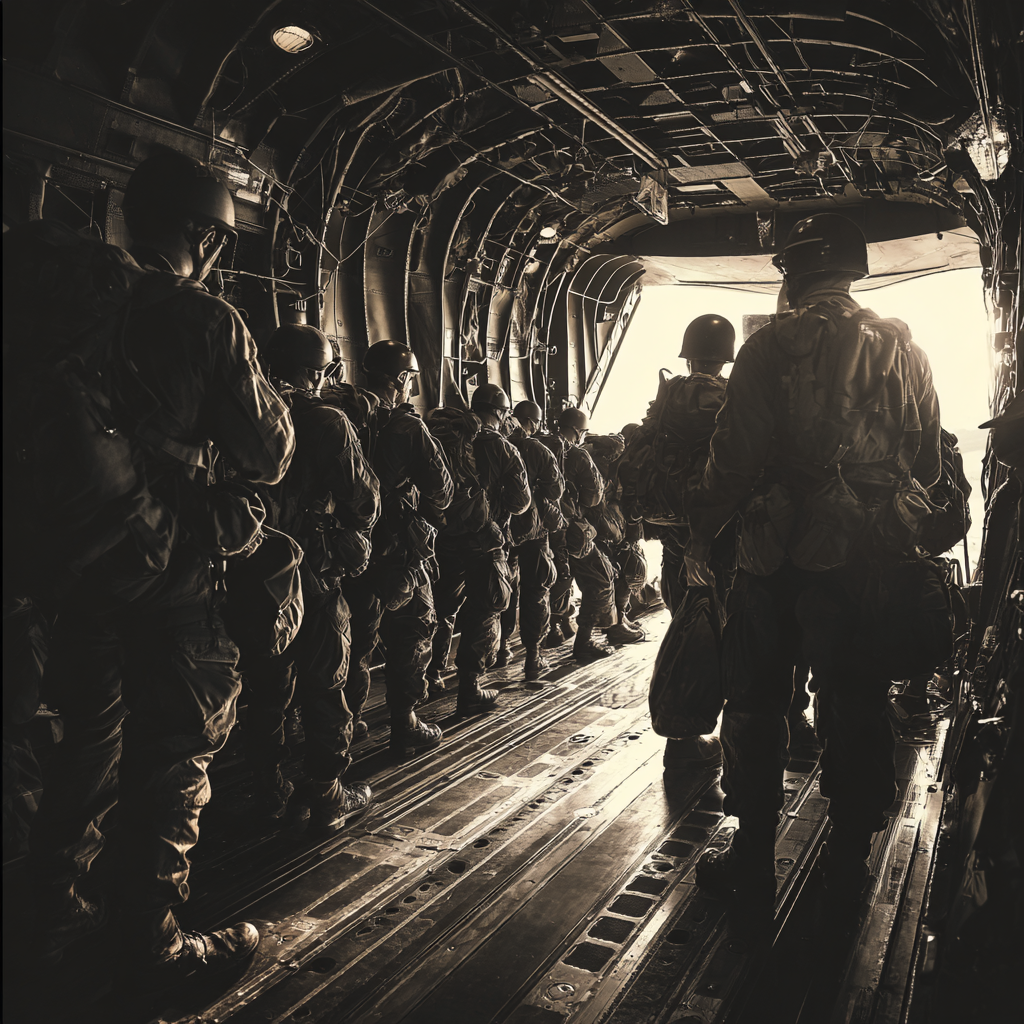
When we leave the military, we often talk about “finding purpose” on the other side of service. It’s true that the military gave us a sense of purpose, but it also gave us something else—clear tasks and standards. Every day was framed by missions, training, checklists, and expectations. The clarity was built in.
Civilian life is different. The freedom that comes with separation can feel overwhelming. Autonomy, while valuable, can easily become disorienting. Without external tasks and standards, purpose alone can feel like an empty slogan. Purpose has to be lived out through action—and action needs structure.
Task, Purpose, and Standards
Think of these three as a framework:
- Purpose is your “why.” It answers: What direction am I heading?
- Tasks are your “what.” They break purpose into concrete actions: What do I need to do today, this week, this month to live in line with my purpose?
- Standards are your “how.” They set the bar for execution: What level of discipline, quality, and integrity will I hold myself to?
Together, these mirror the structure of military life—but they are self-chosen, not handed down by the chain of command.
The Flood of Autonomy
One of the hardest parts of transition is realizing that no one is handing out the task list anymore. Veterans often describe feeling like they’re “wandering.” That wandering is the flood of autonomy. Suddenly, you can do anything—but that means you’re equally capable of doing nothing.
This is where mental fitness skills become vital.
Using CBT and DBT to Rebuild Structure
Cognitive Behavioral Therapy (CBT) and Dialectical Behavioral Therapy (DBT) offer practical tools for taking back control of your tasks and standards. These skills give you structure without needing a commander to hand it down.
CBT Thought Records
A thought record is a worksheet-style tool that helps you break down overwhelming situations into smaller, manageable parts. When stress builds, we often have distorted or exaggerated thoughts that make problems feel impossible. A thought record guides you through:
- Writing down the situation that triggered the stress.
- Noticing the automatic thoughts that came up.
- Identifying the emotions tied to those thoughts and rating their intensity.
- Challenging unhelpful thinking by asking, “What’s the evidence for and against this thought?”
- Reframing into a more balanced perspective.
This process reduces the emotional intensity and helps you identify actionable tasks. For example, “I’ll never succeed after leaving the military” might be reframed into, “Transition is hard, but I’ve succeeded in difficult environments before. I can start by applying for three jobs this week.”
DBT Wise Mind
DBT teaches that we all have three states of mind: Reasonable Mind (logic, facts, problem-solving), Emotion Mind (feelings, impulses, reactivity), and Wise Mind (the balance of the two). Wise Mind is the place where your values and your emotions are guided by reason.
To use this skill, pause when facing a decision and ask:
- What is my Emotion Mind saying? (fear, frustration, excitement)
- What is my Reasonable Mind saying? (facts, pros/cons, logic)
- What would my Wise Mind choose if I integrated both?
This helps you make sustainable choices that reflect your purpose—not just short-term impulses or cold logic. For instance, Wise Mind might help you choose to attend a family event (valuing relationships) even when you’re exhausted, because you know connection matters long-term.
CBT SMART Goals
Big, vague goals often lead to frustration because they’re too undefined to guide daily action. SMART goals solve this by making each step concrete:
- Specific: What exactly will I do?
- Measurable: How will I track progress?
- Achievable: Is it realistic for my current resources and time?
- Relevant: Does it connect to my larger purpose?
- Time-bound: When will I do it by?
Instead of saying, “I want to get in shape,” a SMART goal reframes it into: “I will complete three 30-minute workouts this week at my local gym.” The precision of SMART goals transforms vague wishes into daily tasks aligned with your purpose and standards.
DBT Opposite Action
Emotions often push us toward actions that reinforce the problem. Avoidance, withdrawal, procrastination, or numbing can seem easier in the moment but keep us stuck. Opposite Action is a skill that teaches you to act against the unhelpful urge:
- Identify the emotion you’re feeling.
- Ask whether the emotion fits the facts of the situation.
- If it doesn’t—or if acting on it would make things worse—do the opposite.
Example: If fear makes you want to avoid a job interview, the opposite action is preparing thoroughly and showing up. If sadness pushes you to isolate, the opposite action is reaching out to a friend. Over time, Opposite Action rewires your behavior patterns, builds resilience, and strengthens your standards.
Exploring, Learning, and Doing Hard Things
How do you actually discover the right tasks and standards for your life after service? Three pathways help—and each connects to the lifelong cycle of building knowledge, training, and experience.
Exploring
Exploration is about trying new activities, communities, and roles. In the military, you were often pushed into new environments by necessity. After service, you have to choose that for yourself. Exploration reveals possibilities you didn’t know existed, and it creates raw material for new purpose.
- Knowledge: Read about fields, hobbies, or industries that spark your curiosity. Research can help you map out the terrain before you step into it.
- Training: Attend beginner workshops, join interest groups, or sign up for trial classes. Training gives you a safe place to test the waters.
- Experience: Volunteer, shadow someone, or take on small projects. Experience solidifies whether something resonates with you beyond surface curiosity.
Tip: Treat exploration like reconnaissance. Make a list of 3–5 things you’ve never tried but are curious about, and commit to testing one each month.
Learning
Purpose grows from knowledge. The more you learn, the sharper your sense of direction becomes. Learning in the military was structured and mission-driven; after service, it’s something you must deliberately cultivate.
- Knowledge: Books, podcasts, and online resources expand your mental framework. The more perspectives you absorb, the more options you see for yourself.
- Training: Formal education, certifications, or skill-based programs deepen your ability to act. Training transforms raw knowledge into competence.
- Experience: Apply what you’ve learned in real-world contexts—internships, side projects, or mentoring relationships. Experience proves whether your knowledge and training stick under pressure.
Tip: Use the 70–20–10 rule: 70% of your learning should come from doing, 20% from mentorship, and 10% from formal study.
Doing Hard Things
Growth comes from challenge. Hard things force you to test your purpose, refine your tasks, and prove your standards in action. They also strengthen resilience, discipline, and confidence—skills that transfer to every area of life.
- Knowledge: Study the challenges ahead. Learn from others who’ve done them, whether it’s endurance training, entrepreneurship, or rebuilding family relationships.
- Training: Build progressively. Train your body and mind in manageable steps, whether that’s conditioning for a marathon, practicing mindfulness, or rehearsing for public speaking.
- Experience: The real growth happens in the doing—showing up on the ruck march, giving the speech, running the business, or having the difficult conversation. Each hard experience becomes proof of your standards in action.
Tip: Choose one challenge that scares you a little but excites you a lot. Break it down into daily or weekly tasks and track your progress.
Together, Exploring, Learning, and Doing Hard Things form a cycle: exploration opens doors, learning equips you to walk through them, and hard experiences forge lasting growth. Over time, this cycle builds a new framework of tasks, purpose, and standards that rivals the structure you had in uniform—only now it belongs fully to you.
So What?
Purpose without tasks is just a wish. Tasks without standards are half-measures. Standards without purpose are empty discipline. The real work of post-military life is to weave all three together.
Start small: pick one task today that aligns with your larger purpose. Do it with the standard you expect from yourself as a veteran. Then repeat. Over time, those choices compound into a life that is as mission-focused as your time in uniform—except this mission is entirely your own.
Suggested Reading from the Archives
- Task Separation
Explores how breaking down responsibilities into manageable parts can reduce overwhelm and create clarity in life after service. - Fuel for Motivation
Looks at emotions as the fuel that powers action—perfect for connecting purpose with daily tasks. - Regulating Emotions
Practical skills for building emotional control, which supports setting and maintaining personal standards. - Controlling Impulses
Draws on Stoic philosophy to help veterans live intentionally by aligning actions with purpose. - Fear
Examines how fear can both hinder and sharpen growth, especially when doing hard things in civilian life. - You Are More Than Just “Yourself”
A reflection on identity and growth beyond labels, relevant for veterans redefining themselves after service.
Thanks for Reading
If you’re looking for practical tools to build resilience, mental clarity, and physical well-being, you’re in the right place. Tactics Total Wellness is based in Charleston, South Carolina, and I write weekly about mindset, performance, and integrated living for veterans, first responders, and high performers across the Low Country.
👉 You can explore more insights at www.tacticstotalwellness.com/blog
📬 Want tips like this delivered straight to your inbox every Sunday?
Sign up for the newsletter here: www.tacticstotalwellness.com/news-letter
If you found this article helpful, please consider sharing it with a friend, co-worker, or family member.
Thank you for the support!
