
In our house we avoided assigning chores and instead focused on teaching our kids to be responsible for their fair share of the work as a “duty.” We can also try to frame our responsibility to develop self control as a duty we owe to ourselves and to those around us.
Self-control can be defined in the context of cognitive behavior therapy as the capability and capacity to regulate our thoughts, feelings, and behaviors. It might be useful to add some detail to help understand the two primary neurological systems before we get into how we can actually exercise self-control.
Self-Control Theories
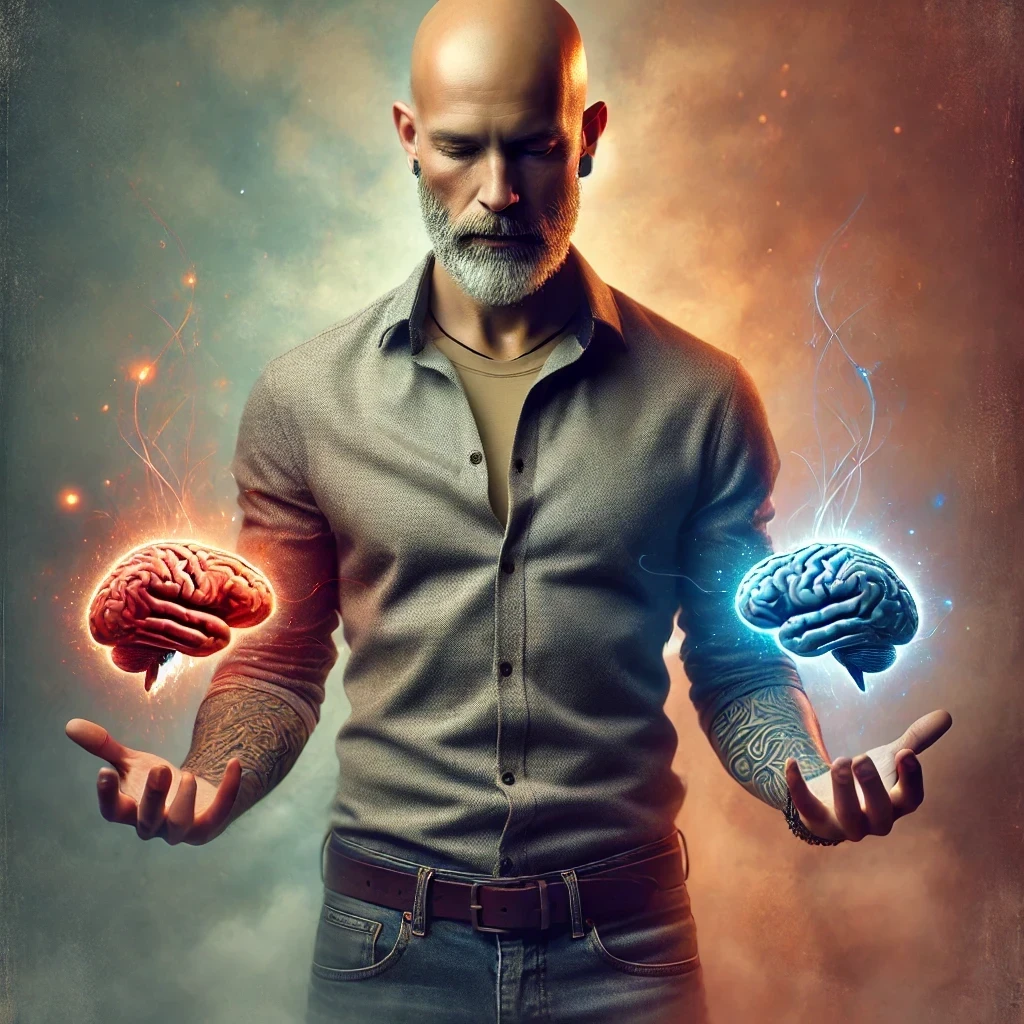
In dialectical behavior therapy there is an emphasis placed on the tension between the limbic system and the prefrontal cortex. We are more effective when the systems are working together to balance and find harmony. This is called walking the middle path or using our wise mind.
The limbic system is sometimes thought of as our “Deep Brain.” It is responsible for generating our emotional response to our perceptions of the world around us. On the other hand, the prefrontal cortex is our logic and reason center. It generates our thoughts based on inputs from our senses and the emotions generated by the limbic system.
In addition to the wise mind theory there is the idea that self-control can be thought of as a muscle. The more we use it the stronger it is. But there is also the risk of over training or overuse which can deplete our capacity for self control and leave us vulnerable to dysregulation.
Factors to Consider
Thought Regulation – We can regulate thoughts by controlling our focus and by applying core critical thinking skills. This allows us to reduce distractions by restricting our perceptions and by reframing our thoughts by challenging them directly.
Emotion Regulation – Our emotions play a powerful role in driving our thoughts and actions. Fortunately there are plenty of actions we can take to pull back on the throttles of strong or out of control emotions.
Behavior Regulation – What we do on a daily basis sets the stage for many of our thoughts and emotions. Habit formation and the use of routines helps us keep consistency on our side.
Delayed Gratification – Believe it or not, delayed gratification is a tool we can sharpen and refine. When we have this capability honed in our capacity to control impulses is deeper.
Impulse Control – Resisting immediate temptation and desires that can scratch an itch but cause a bigger problem. Often this comes down to the idea that “Discipline Equals Freedom” from the consequences of poor choices.
Building Self-Control
So what can we do about it? Here are some tools to get you started.
Mindfulness – Learning to be present in the moment and cultivating the capability and capacity to identify and assess both your emotional state and your thought patterns is critical. You can’t solve a problem you don’t know about or understand.
Habits – Developing helpful habits and integrating new habits with habits you have locked into your routines can help you prevent burning out your discipline reserves.
Setting Intentions – Having a plan and sticking to it can be a good way to fence yourself from cognitive and emotional chaos. But be careful, if you are too rigid with the plan it might backfire and become a source of distress.
Stress Management – Using effective self-care strategies (effective sleep, healthy diet, exercise, and sustaining strong social connections) give you an advantage when things get hard because you are already operating with lower stress. Neglecting self-care puts you at a serious disadvantage.
Thanks For Reading
If you found this helpful, you can read all of my Daily Reflections at www.tacticstotalwellness.com/blog
You can also sign up for my weekly newsletter to get a simple email on Sunday with links to my explorations and reflections over the past week. https://tacticstotalwellness.com/news-letter/
