Jon Nelson, Counselor | Educator | Veteran

A retired United States Air Force Special Agent who is now a Mental Health Professional, and Teacher in Charleston, SC. His writing focuses on exploring tools to help people live the life they want to live.

A bald bearded man studies three glowing transparent panels, each representing a different type of problem — mechanical blueprints for complicated systems, neural networks for complex systems, and swirling chaos for wicked problems.

Understanding Complicated, Complex, and Wicked Problems

Why Some Challenges Can’t Be Solved with a Checklist In life, work, and relationships, not all problems are created equal. Some can be solved with enough time, effort, and organization. Others shift under our feet the moment we think we’ve found an answer. Recognizing the difference between complicated, complex, and wicked problems helps us respond […]

Understanding Complicated, Complex, and Wicked Problems Read More »
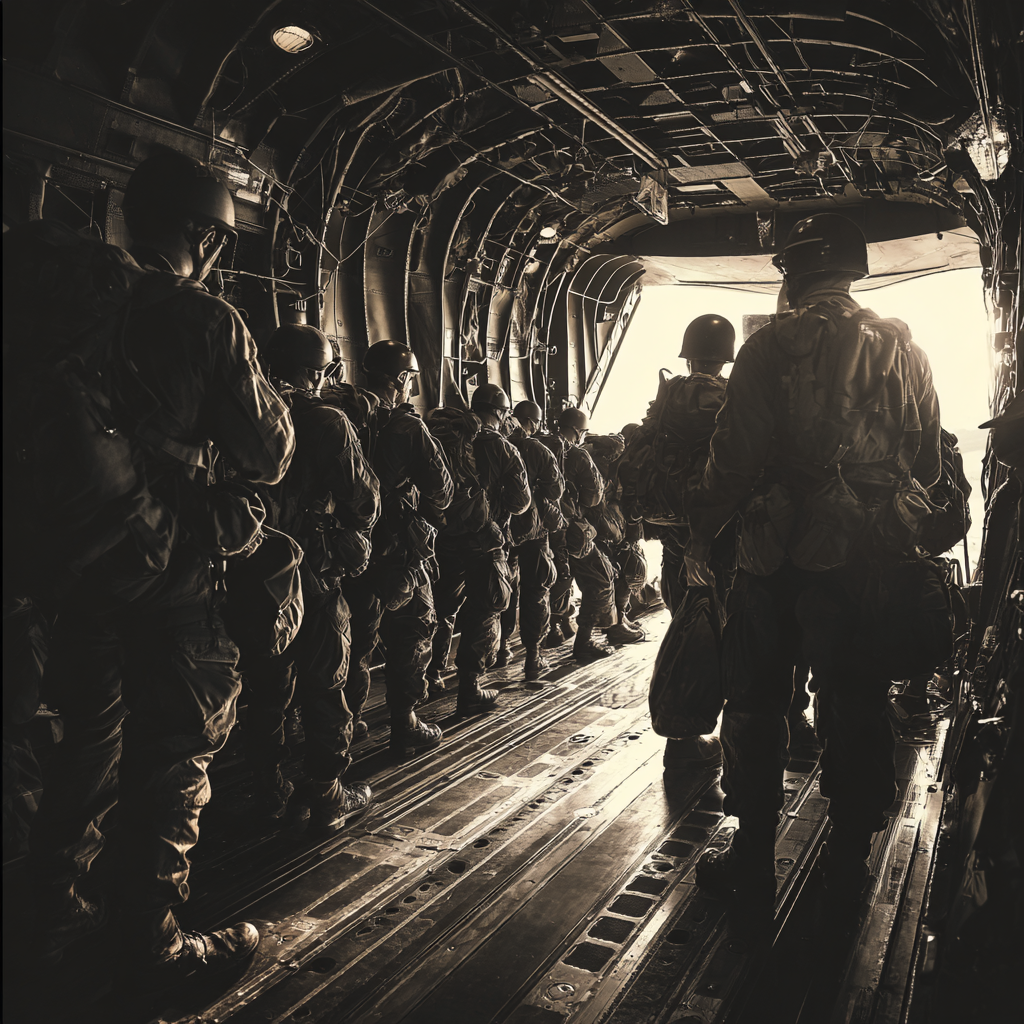
A group of paratroopers standing inside a military aircraft, preparing to jump, symbolizing structure, purpose, and discipline from military service.

Beyond Service: Finding Tasks, Purpose, and Standards After the Military

When we leave the military, we often talk about “finding purpose” on the other side of service. It’s true that the military gave us a sense of purpose, but it also gave us something else—clear tasks and standards. Every day was framed by missions, training, checklists, and expectations. The clarity was built in. Civilian life

Beyond Service: Finding Tasks, Purpose, and Standards After the Military Read More »

White heart icon with the words Themes of Impact Intimacy, representing how trauma affects closeness and connection

Themes of Impact: Intimacy

Trauma reshapes how we connect. Intimacy—whether physical, emotional, or spiritual—depends on trust, safety, and vulnerability. Trauma can fracture these foundations, leaving behind distance, fear, or the sense that true closeness is impossible. For veterans, first responders, and anyone who has lived through overwhelming experiences, intimacy often becomes the most fragile and most hidden casualty of

Themes of Impact: Intimacy Read More »

Man sitting at a desk surrounded by multiple monitors and digital feeds, symbolizing information overload and the need for cognitive defense against online manipulation.

Cognitive Defense

Using CBT and DBT to Guard Against Influence and Manipulation What Is Cognitive Warfare? Cognitive warfare refers to deliberate efforts by state and non-state actors to influence the way people think, perceive reality, and make decisions. Unlike traditional warfare, which focuses on physical force, cognitive warfare targets the mind itself. It operates through propaganda, disinformation

Cognitive Defense Read More »

Scroll to Top