mental fitness

A bald bearded man studies three glowing transparent panels, each representing a different type of problem — mechanical blueprints for complicated systems, neural networks for complex systems, and swirling chaos for wicked problems.

Understanding Complicated, Complex, and Wicked Problems

Why Some Challenges Can’t Be Solved with a Checklist In life, work, and relationships, not all problems are created equal. Some can be solved with enough time, effort, and organization. Others shift under our feet the moment we think we’ve found an answer. Recognizing the difference between complicated, complex, and wicked problems helps us respond […]

Understanding Complicated, Complex, and Wicked Problems Read More »

A group of paratroopers standing inside a military aircraft, preparing to jump, symbolizing structure, purpose, and discipline from military service.

Beyond Service: Finding Tasks, Purpose, and Standards After the Military

When we leave the military, we often talk about “finding purpose” on the other side of service. It’s true that the military gave us a sense of purpose, but it also gave us something else—clear tasks and standards. Every day was framed by missions, training, checklists, and expectations. The clarity was built in. Civilian life

Beyond Service: Finding Tasks, Purpose, and Standards After the Military Read More »

White heart icon with the words Themes of Impact Intimacy, representing how trauma affects closeness and connection

Themes of Impact: Intimacy

Trauma reshapes how we connect. Intimacy—whether physical, emotional, or spiritual—depends on trust, safety, and vulnerability. Trauma can fracture these foundations, leaving behind distance, fear, or the sense that true closeness is impossible. For veterans, first responders, and anyone who has lived through overwhelming experiences, intimacy often becomes the most fragile and most hidden casualty of

Themes of Impact: Intimacy Read More »

Gritty, realistic illustration of two large industrial water filters, one pouring clear water and the other pouring murky water, symbolizing how mental schemas filter thoughts and beliefs.

Schemas: Our Thought Filtration System

Our minds don’t process the world in raw, unfiltered form. Instead, we rely on schemas—mental frameworks built from our experiences, values, and lessons learned—to quickly interpret information and decide what matters. Think of schemas like a water filter. A good filter removes harmful impurities and leaves you with something clear, usable, and safe. But if

Schemas: Our Thought Filtration System Read More »

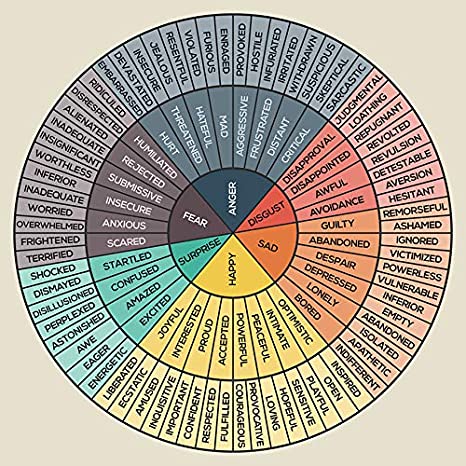
A labeled emotion wheel chart showing six core emotions—fear, anger, disgust, sadness, happiness, and surprise—radiating into complex secondary and tertiary emotions

Basic Training: Core Emotions

Emotions are not the enemy. Misunderstood emotions are.To operate at full capacity — whether in a high-stakes profession, family role, or personal transformation — you need more than physical readiness. You need emotional intelligence. And that starts with knowing what you’re feeling, why it’s there, and how to respond without suppressing or exploding. This post

Basic Training: Core Emotions Read More »

Scroll to Top